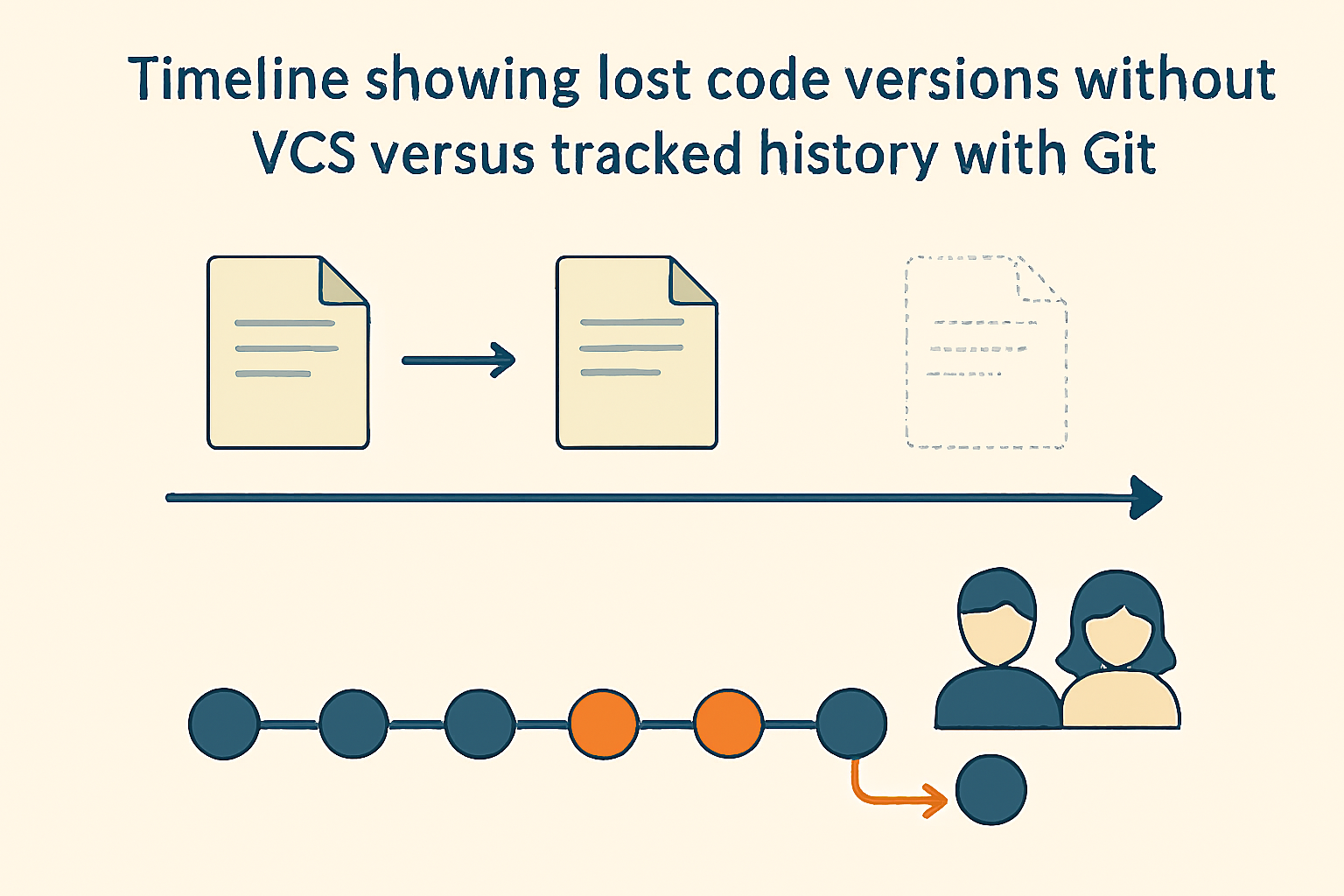
Why Version Control Exists: The Pendrive Problem
Learn How Version Control Safeguards Projects and Enhances Teamwork.
Introduction
Version Control Systems (VCS) like Git exist to manage code changes efficiently across developers and time. Before version control, software teams depend on pendrives, emails, and manually maintained folders a workflow that quickly broke as projects and teams scaled.
The Pendrive Analogy
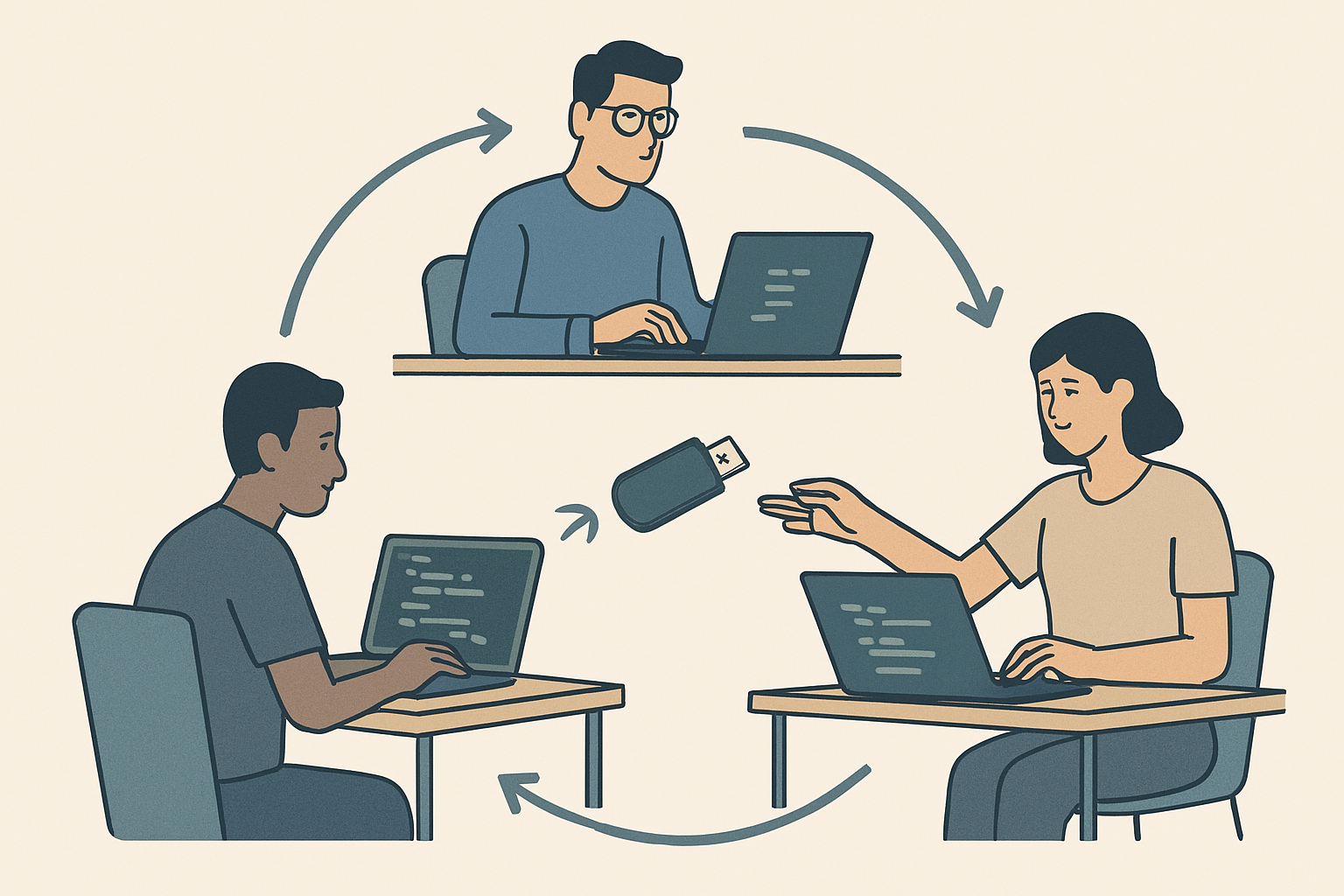
Before Git, a common workflow looked like this:
A single pendrive contained the project source code. Developers copied the code, made changes, and passed the pendrive to the next person. There was one shared copy and zero visibility into changes.
Realistic Example
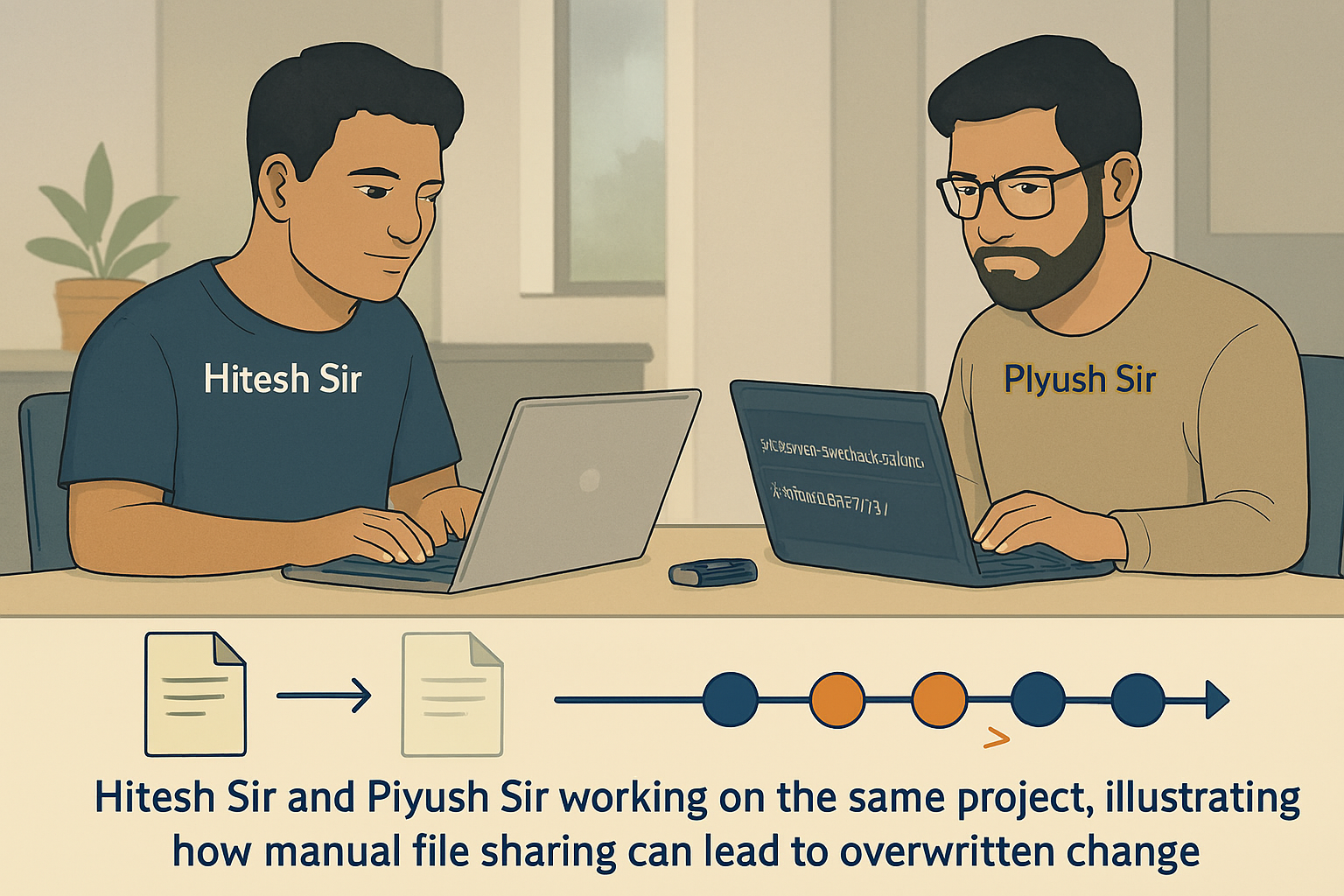
Imagine Hitesh Sir and Piyush Sir working on a web project.
Hitesh Sir adds authentication logic
Piyush Sir improves API performance using an older copy of the code
Piyush Sir copies his version back to the pendrive
Result?
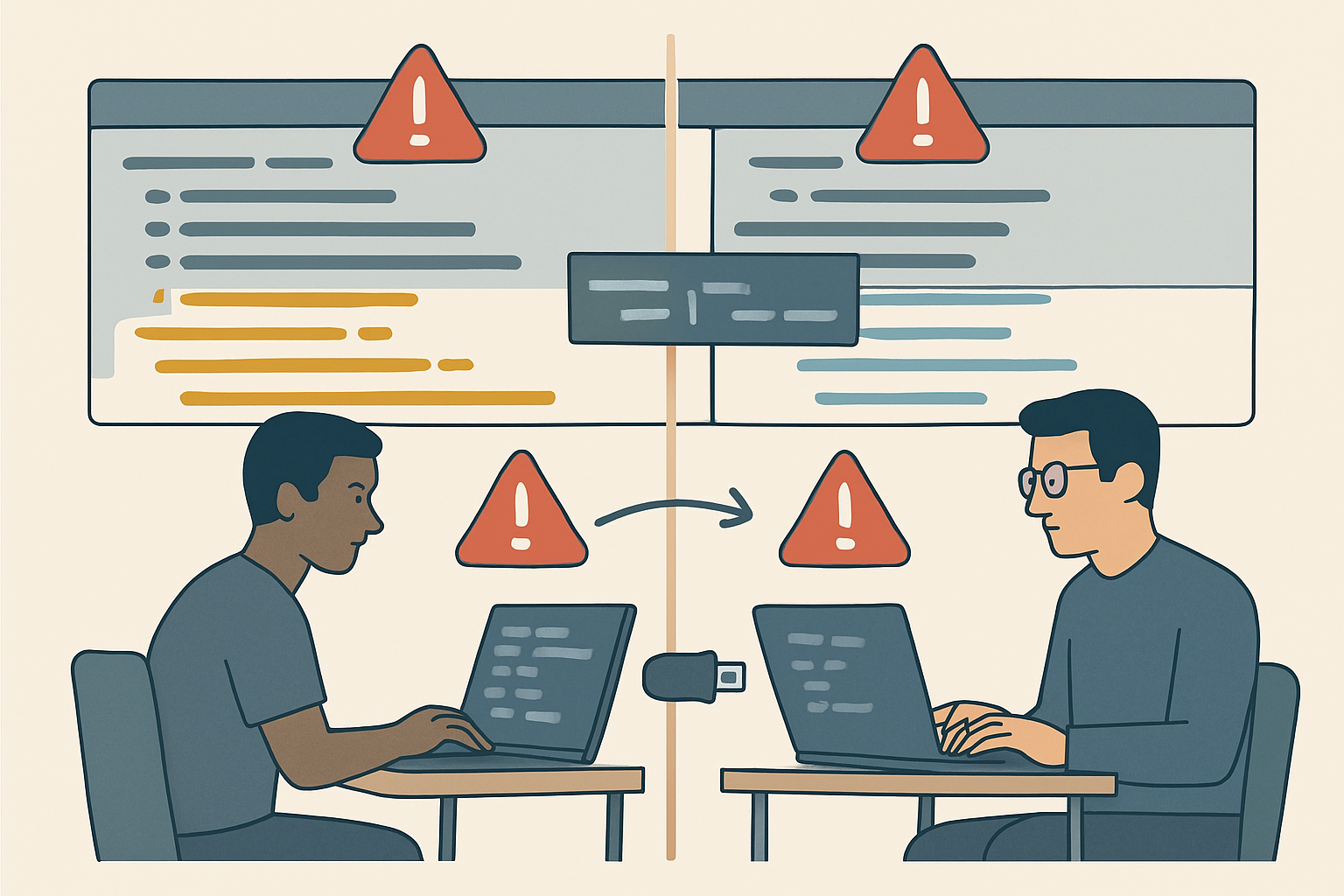
Hitesh Sir’s authentication changes are accidentally overwritten.
No warnings. No history. No recovery.
Problems Faced Before Version Control Systems
Code Overwriting
When multiple developers edited the same files independently, the last copied version replaced earlier work, causing silent data loss.
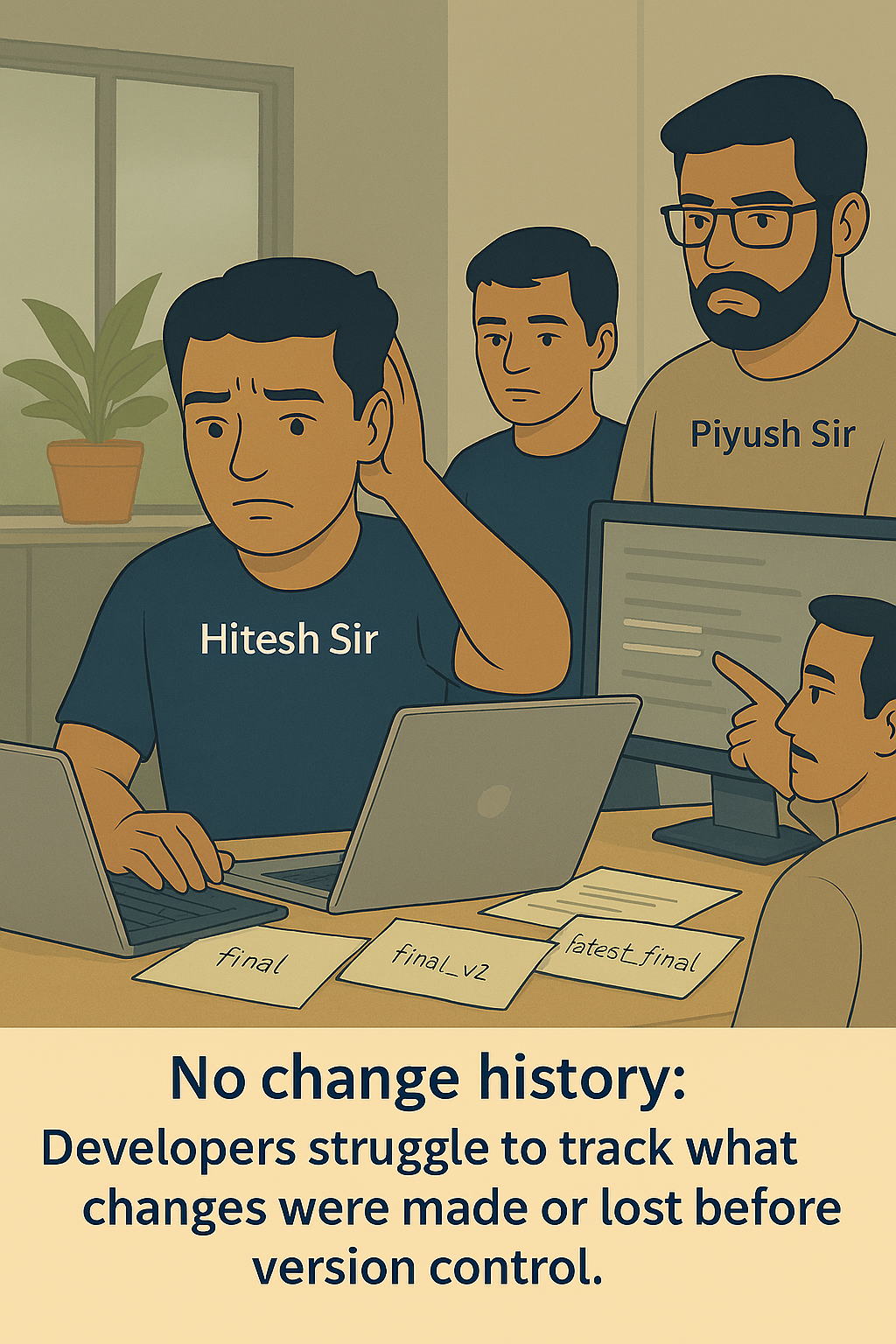
No Change History
There was no way to answer:
Who changed this file?
Why was this logic added?
When did this bug appear?
Debugging meant manually comparing files.
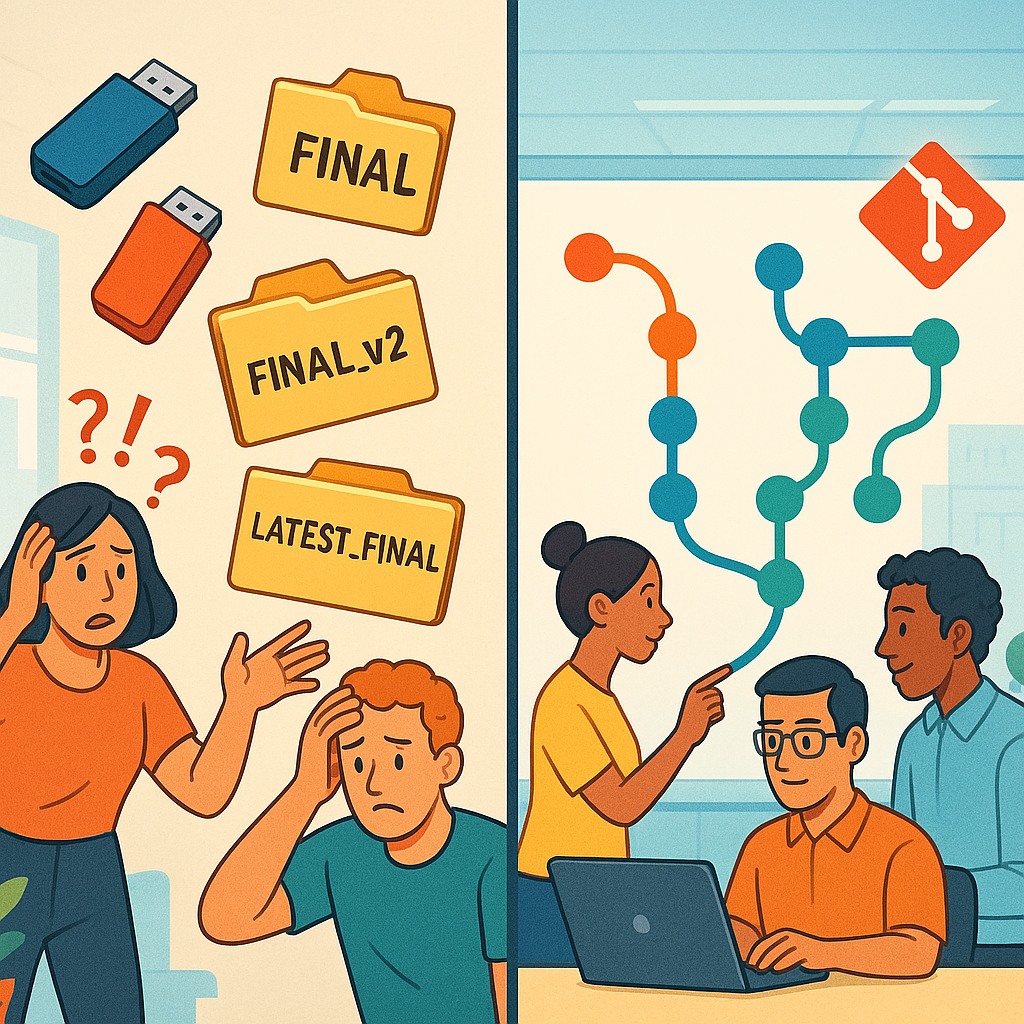
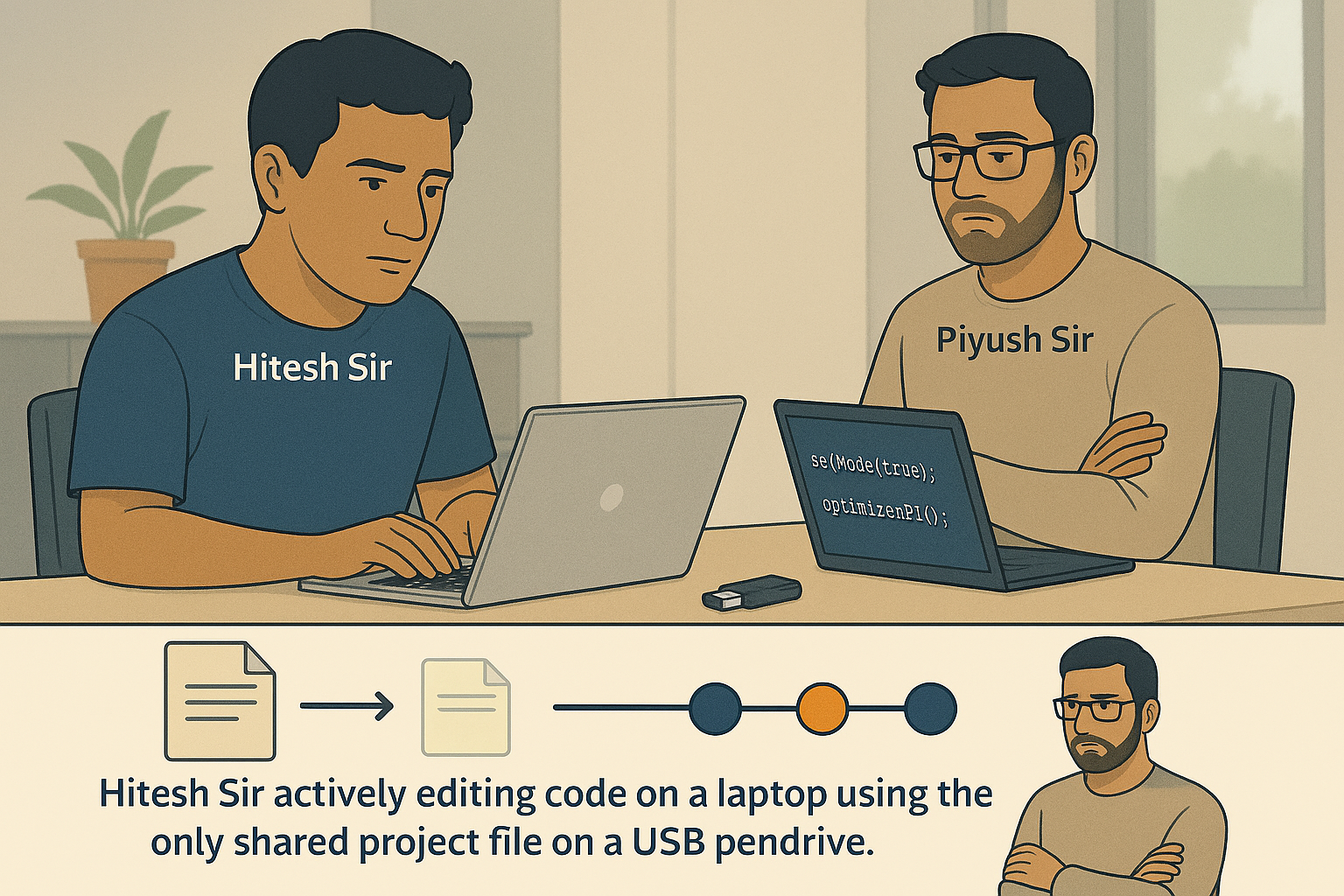
Manual Versioning Chaos (complete confusion, no order, no control)
Developers created folders like:
Yet these teams were still unsure which version was correct.
project_final
project_final_v2
project_latest_final
project_latest_final_real
No Parallel Development
Only one person could safely work on the project at a time. Collaboration and parallel work flow was unfeasible.
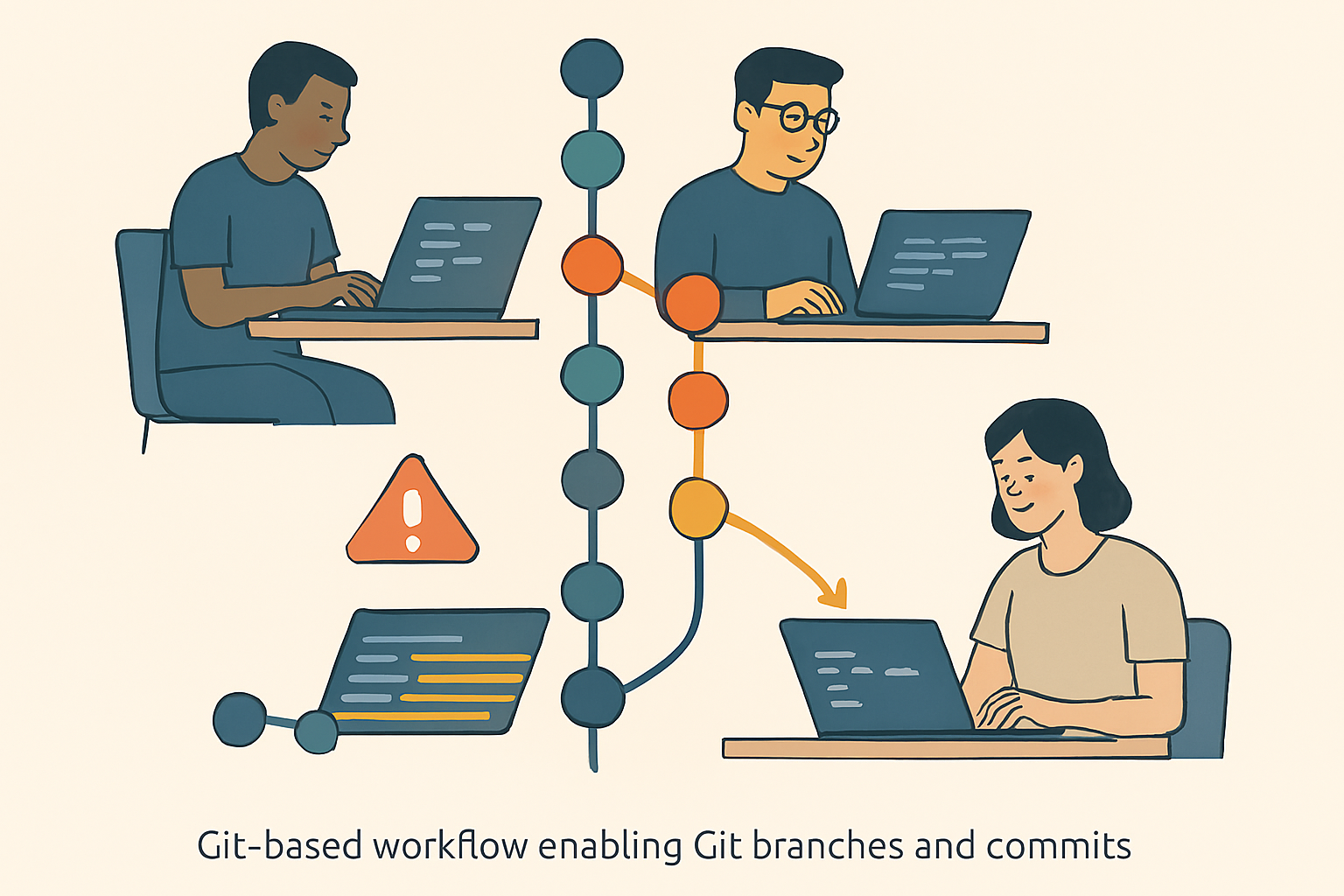
Why Version Control Became Mandatory
To solve these issues, Version Control Systems were introduced.
With Git:
Every change is saved as a commit
Each commit has an author and timestamp
Multiple developers (like Hitesh Sir and Piyush Sir) can work simultaneously using branches
Conflicts are detected instead of silently overwriting code
Previous versions can be restored instantly
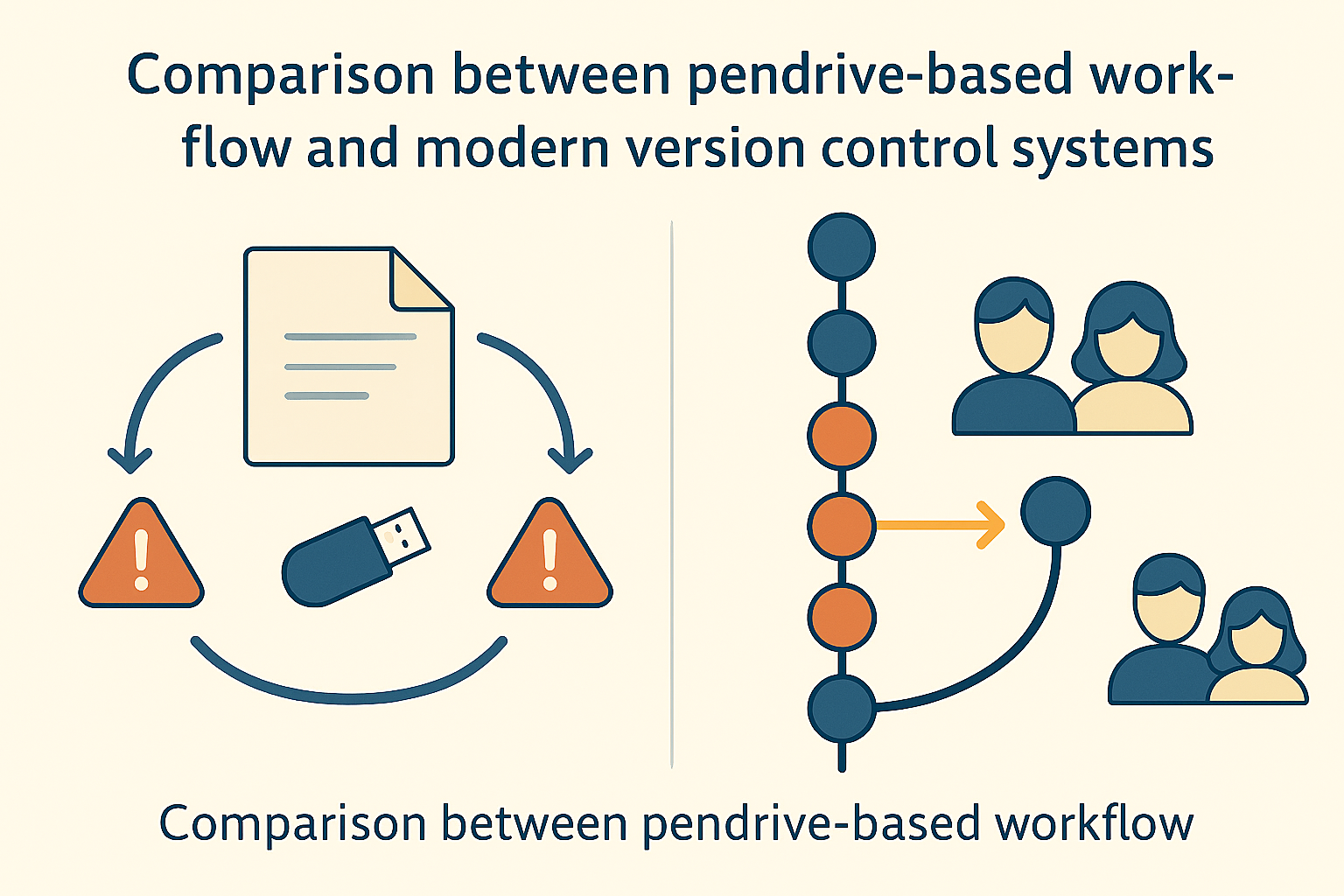
Pendrive Workflow vs Version Control
Pendrive-Based Workflow
Single copy of code
No history
High risk of data loss
No collaboration safety
Version Control Workflow
Distributed repositories
Complete change history
Safe parallel development
Scales with teams
Conclusion
Version control exists because software development requires control, accountability, and collaboration.
The pendrive problem exposed the failure of manual workflows and made systems like Git essential for modern development.
Without version control, even experienced developers like Hitesh Sir and Piyush Sir would struggle to collaborate safely.